


Oil to Gas Conversion Services in Weymouth, MA
Upgrade Your Heating System From Oil to Gas
If your Weymouth home or business still relies on an older oil-fired furnace or boiler, you may be considering whether it makes sense to switch to natural gas. An oil to gas conversion can be an opportunity to replace aging equipment, simplify fuel delivery and maintenance, and install a newer heating system designed around your property’s needs.
Riggs Mechanical Plumbing and HVAC provides oil to gas conversion services in Weymouth, MA. We can evaluate your existing heating setup, discuss your options, and help determine whether converting from oil to gas is a practical choice for your property.
Depending on the existing system and available utilities, a conversion may involve replacing an oil boiler or furnace with a gas-powered system and making the necessary changes to the heating infrastructure.
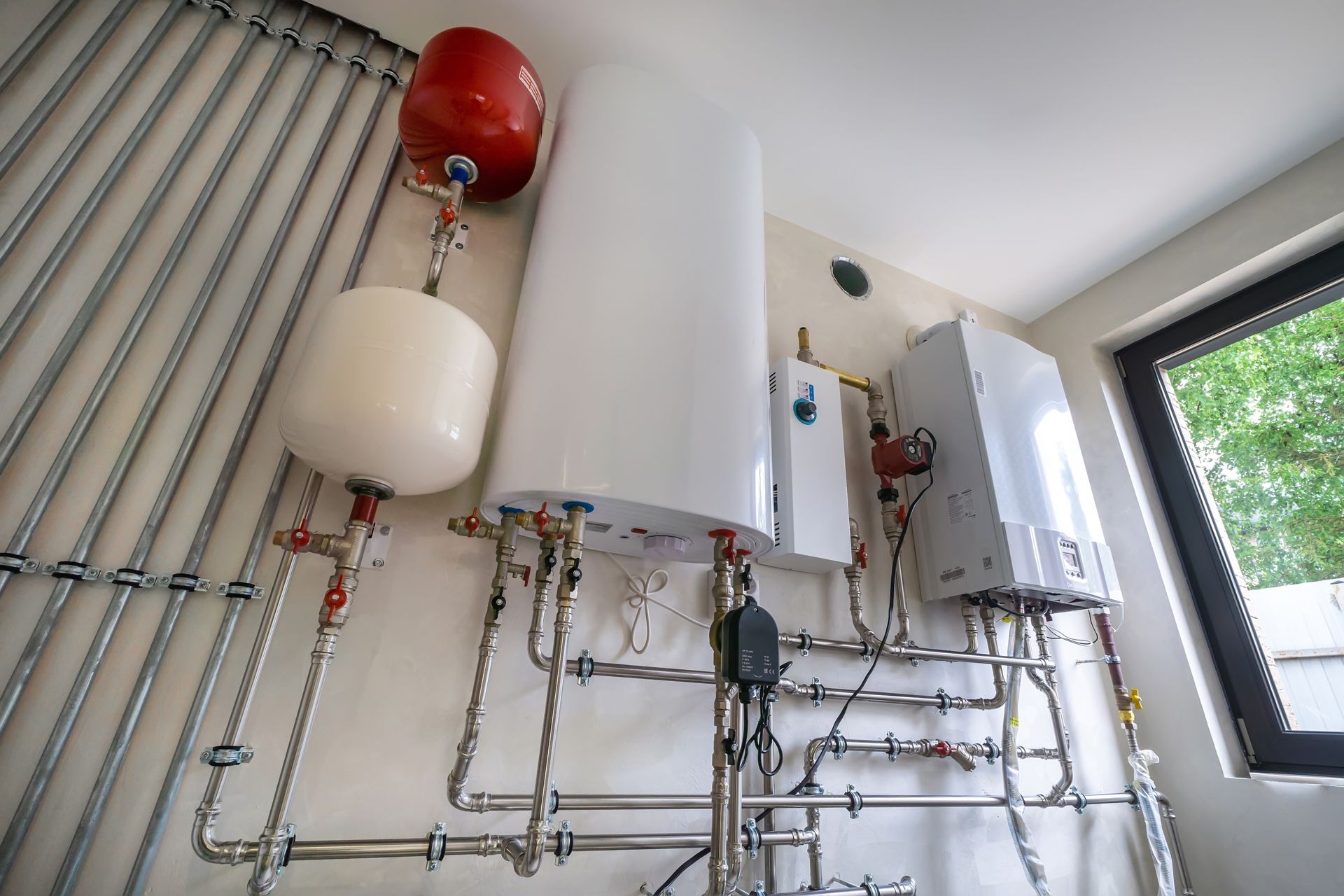
Is Oil to Gas Conversion Right for Your Property?
Switching heating fuels is a larger project than simply replacing a furnace or boiler. Before recommending a conversion, it is important to consider the property as a whole.
- Factors that may affect the project include:
- The age and condition of your existing oil furnace or boiler
- The type and size of your current heating system
- Whether natural gas is available at the property
- Existing gas piping and utility requirements
- The condition of your chimney or venting
- The size and layout of the property
- Existing radiators, baseboards, or ductwork
- Current heating and maintenance costs
- The condition of other components connected to the heating system
- Available rebates, incentives, or financing programs
A conversion is not automatically the best choice for every property. Our goal is to help you understand the work involved and the available heating options before you move forward.
Converting an Oil Boiler to Gas
Many older homes in the Weymouth area use hydronic heating with an oil-fired boiler. If your property already has radiators or baseboards that provide comfortable heat, you may be able to retain much of the existing distribution system while replacing the oil-fired equipment with a gas boiler.
A professional evaluation can determine whether the existing piping, radiators, controls, venting, and other components are suitable for the new system or whether additional work is needed.
This approach can allow you to modernize the source of heat without completely changing how heat is distributed throughout the property.
Converting an Oil Furnace to Gas
Oil furnaces use ductwork to distribute heated air throughout the property. When converting to gas, the existing ductwork may be able to remain in place if it is appropriately sized and in good condition.
The new furnace must be properly sized for the building rather than simply matching the capacity of the old oil equipment. An improperly sized system can affect comfort, efficiency, cycling, and long-term performance.
Riggs can evaluate the existing heating setup and determine what is involved in replacing the oil-fired furnace with a gas heating system.
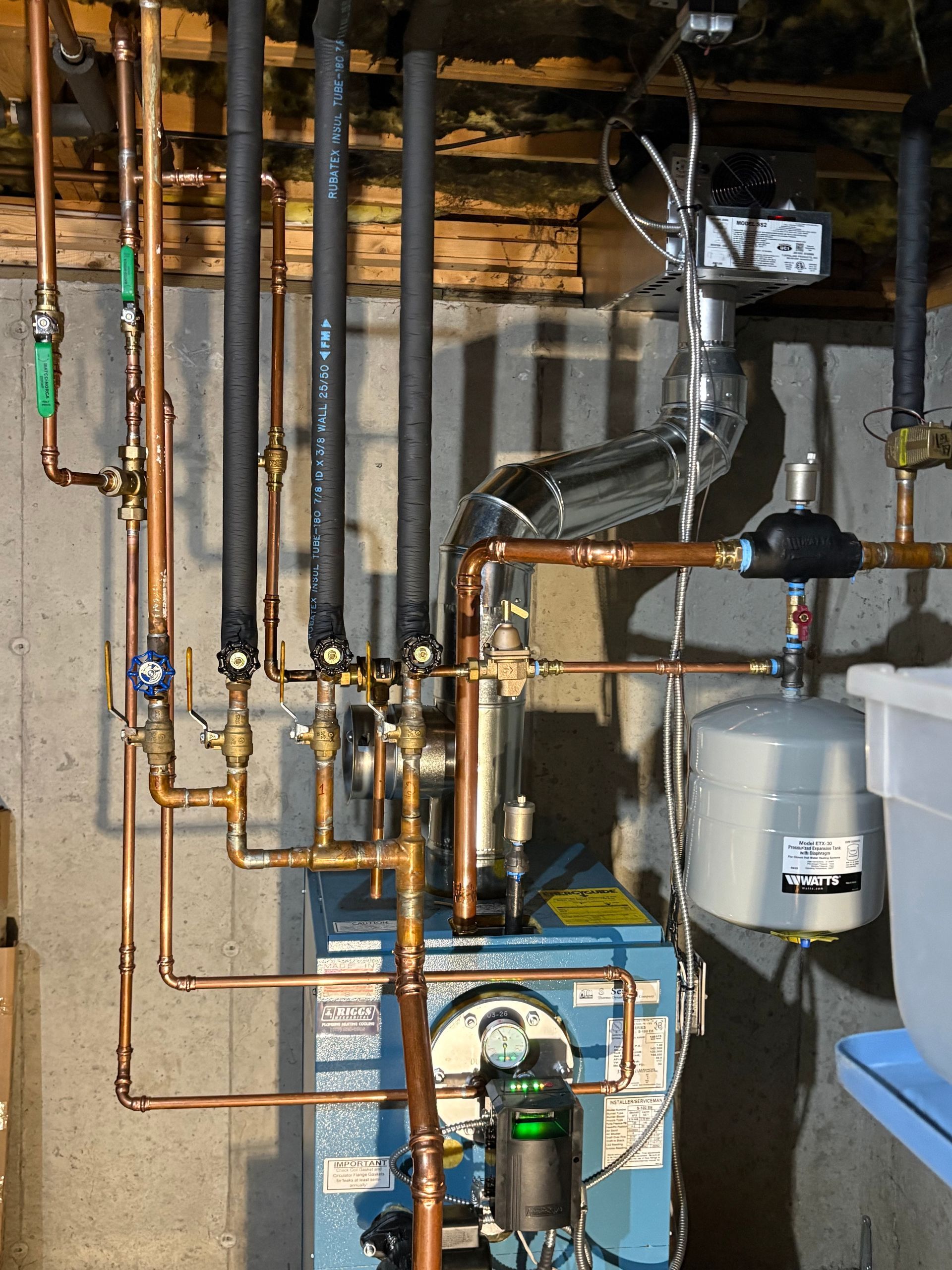

What Is Involved in an Oil to Gas Conversion?
Every conversion is different, but the project may involve several stages.
1. Evaluate the Existing Heating System
We start by looking at the current oil furnace or boiler, the condition of the heating equipment, and the way heat is distributed throughout the property.
2. Determine Gas Availability
Natural gas availability and existing utility infrastructure are important considerations. If gas service is not already available, additional utility work may be required before the new heating equipment can be installed.
3. Choose the Appropriate Heating Equipment
The replacement boiler or furnace should be selected based on the property’s heating requirements, existing infrastructure, efficiency goals, and budget.
4. Plan the Conversion
Depending on the property, the project may involve changes to fuel connections, piping, venting, controls, and other components associated with the heating system.
5. Remove the Existing Oil Equipment
The existing oil-fired equipment and related components can be removed as part of the conversion process. The exact scope depends on the condition and configuration of the existing system.
6. Install and Test the New Gas System
The new gas furnace or boiler is installed and connected to the appropriate systems. The equipment is then tested to ensure it is operating properly and safely.
Benefits of Switching From Oil to Gas
There are several reasons homeowners and property owners consider moving away from oil heating. The benefits will vary depending on the existing equipment, local fuel costs, and the new system selected.
Potential advantages include:
- No more on-site oil deliveries: A natural gas system can eliminate the need to schedule oil deliveries when gas service is available.
- Modern heating equipment: A conversion provides an opportunity to replace older equipment with a newer, more efficient system.
- Less dependence on an oil tank: Removing an old oil heating system may also eliminate concerns associated with maintaining an aging oil tank.
- Potentially simpler maintenance: Modern gas heating equipment can have different maintenance requirements than older oil-fired systems.
- Updated heating technology: New equipment may provide improved controls, efficiency, and comfort compared with an aging oil system.
- A chance to address other system issues: Conversion projects can also identify aging piping, venting, controls, or other components that may need attention.
Actual operating costs and savings will depend on fuel prices, equipment efficiency, property characteristics, and how the system is used.
What Happens to Your Existing Oil Tank?
The oil tank is an important part of any oil-to-gas conversion project. Depending on its location, condition, and the scope of the conversion, the tank may need to be removed or otherwise addressed.
If you have an older oil tank, this is also an opportunity to have its condition evaluated rather than continuing to rely on aging equipment.
The requirements for oil tank removal can vary based on the property’s circumstances and applicable regulations, so the project should be planned accordingly.

Oil to Gas Conversion for Weymouth Homes
Many homeowners consider conversion when an older oil heating system begins requiring more frequent service or becomes expensive to operate. Others simply want to move away from oil and modernize their heating equipment.
If you are considering replacing an oil boiler or furnace, Riggs Mechanical Plumbing and HVAC can help you understand the available options and what would be involved in converting your existing heating system.
We can also help determine whether the existing radiators, baseboards, ductwork, and other components can continue to be used with the new heating equipment.
Oil to Gas Conversion for Commercial Properties
Oil-to-gas conversion is not limited to residential properties. Commercial buildings with aging oil-fired heating equipment may also benefit from evaluating alternative heating options.
For a commercial property, the size of the building, heating load, existing distribution system, operating schedule, and equipment requirements all need to be considered before a conversion is planned.
Riggs can evaluate the existing heating setup and discuss options for updating the system based on the needs of the property.
Are There Incentives for Switching From Oil to Gas?
Depending on the equipment being installed and current Massachusetts programs, there may be rebates, incentives, financing, or other programs available for certain heating upgrades.
Eligibility can change based on the equipment, property, utility, and program requirements. Riggs can help you understand what options may be worth investigating, but current incentive availability should always be confirmed before making a purchasing decision.
Oil to Gas Conversion FAQ
Can I convert my oil boiler to gas?
In many cases, an oil-fired boiler can be replaced with a gas boiler while continuing to use portions of the existing hydronic heating system. However, the property and existing equipment need to be evaluated to determine what can remain and what needs to be changed.
Can an oil furnace be converted to gas?
An oil furnace can often be replaced with a gas furnace, provided natural gas is available and the property is suitable for the new equipment. Existing ductwork may be usable depending on its condition and sizing.
Do I need natural gas at my property to convert from oil?
Natural gas availability is an important consideration. If gas service is not already available, additional utility work may be necessary, and that can affect the overall scope and cost of the project.
Is switching from oil to gas worth it?
It depends on your existing heating system, fuel costs, equipment condition, gas availability, and the cost of the conversion. If an oil boiler or furnace is aging or requiring frequent repairs, conversion may be worth considering as part of a larger heating upgrade.
Will I save money by switching from oil to gas?
Potential savings depend on several factors, including local fuel prices, the efficiency of the new equipment, the condition of the existing system, and how much energy your property uses. A conversion should be evaluated based on the complete cost of the project rather than assuming a specific amount of savings.
Can I keep my existing radiators after switching from oil to gas?
In many hydronic heating systems, existing radiators or baseboards can continue to distribute heat after an oil boiler is replaced with a gas boiler. The existing system should be evaluated to make sure it is compatible with the new equipment.
Can I keep my existing ductwork?
If an oil furnace is being replaced with a gas furnace, existing ductwork may be able to remain in use if it is properly sized and in good condition. The heating system and ductwork should be evaluated before the replacement is planned.
What happens to the old oil furnace or boiler?
The existing oil-fired equipment is removed as part of the conversion when included in the project scope. The exact removal process depends on the equipment, property, and other components connected to the system.
Does an oil-to-gas conversion include removing the oil tank?
The oil tank may need to be removed or otherwise addressed as part of the conversion, depending on its location, condition, and the requirements of the project. This should be discussed when planning the conversion.
How long does an oil-to-gas conversion take?
The timeline varies depending on the type of heating system, property, equipment being installed, gas availability, and any additional work required. A straightforward equipment replacement can be very different from a project requiring extensive modifications.
Is a gas boiler more efficient than an old oil boiler?
Modern heating equipment can be substantially more efficient than older equipment, but efficiency depends on the specific models being compared and how the systems are installed and operated. The condition and age of the existing oil boiler also matter.
Should I repair my oil heating system or convert to gas?
If your oil system is relatively reliable and in good condition, a repair may make sense. If it is older, requires frequent repairs, or you are already considering a major replacement, it may be worthwhile to compare the cost of continued repairs with an oil-to-gas conversion.
Can I convert from oil to gas if my heating system is old?
Age alone does not prevent a conversion. In fact, an aging oil boiler or furnace can be one reason homeowners investigate a conversion. The existing system and property should be evaluated to determine the best approach.
Discuss Your Oil to Gas Conversion Options
If you are tired of maintaining an aging oil heating system or are planning a major heating upgrade, an oil-to-gas conversion may be worth considering.
Riggs Mechanical Plumbing and HVAC provides oil to gas conversion services in Weymouth, MA, for residential and commercial properties. We can evaluate your existing system, discuss the available options, and help you understand what is involved in making the switch.
Contact Riggs Mechanical Plumbing and HVAC today to discuss your oil-to-gas conversion.